





















































































Estonia and New Zealand Join a Growing Network of Registry Links
The Legal Entity Identifier (LEI) provides a globally standardized way to identify legal entities, regardless of where they are registered. LEI records are publicly accessible and contain entity information verified against authoritative sources.
Now, that global identification system is becoming more useful in another way.
The Global Legal Entity Identifier Foundation (GLEIF) is developing direct links between LEI records and official national business registers. These links allow users to move from an LEI record to the corresponding company's entry in its national register.
In October 2026, GLEIF announced that Estonia and New Zealand had joined the initiative, bringing the number of participating countries to six.
For businesses operating internationally, this is a practical improvement. An LEI helps identify the correct legal entity, while a direct registry link provides a route to additional information published by an official source.
What Do Direct Registry Links Actually Change?
An LEI record contains essential information about a legal entity, including its official name, country of registration, registration number and address. It also shows the status of the LEI and when its data was last updated.
National business registers may contain considerably more information.
Depending on the jurisdiction, this can include company directors, authorized representatives, ownership details, annual financial statements, business activities and historical changes to company records.
Previously, someone researching a foreign company often had to identify the appropriate national register, navigate its search system and locate the company using its registration number.
GLEIF's initiative to link LEI records to official registration authorities makes that process simpler.
Where a direct link is available, users can click the registration number in an LEI record and open the corresponding company entry in the official national register.
This does not combine national registers into a single database. Each register remains responsible for its own information and determines what is publicly accessible, restricted or subject to a fee.
What changes is the connection between a globally recognized company identifier and the official source of more detailed national information.
Six Countries Already Provide Direct Registry Links
As of October 2026, the initiative covers six countries:
Estonia – Centre of Registers and Information Systems (RIK)
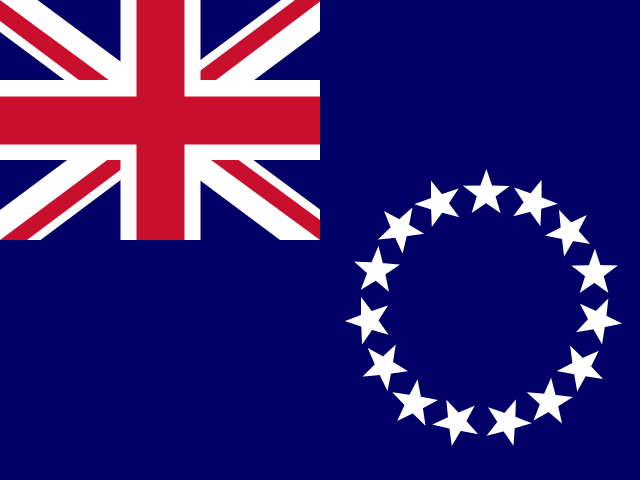
New Zealand – Companies Office
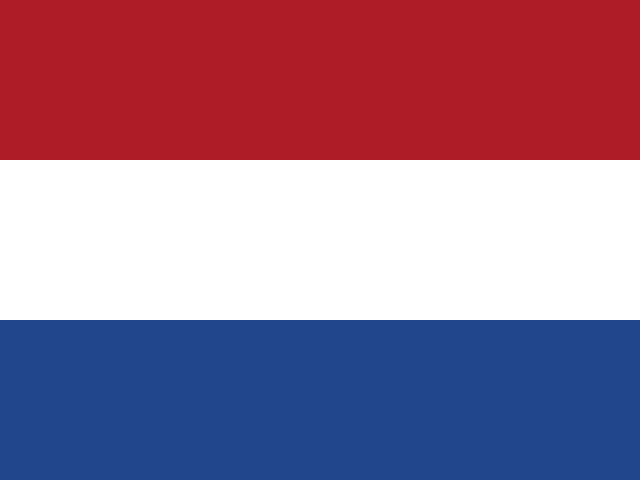
The Netherlands – Kamer van Koophandel (KVK)
United Kingdom – Companies House
France – Institut national de la statistique et des études économiques (INSEE)
Switzerland – Federal Statistical Office (FSO)
Estonia and New Zealand are the latest additions.
For example, a user viewing an Estonian company's LEI record can click its registration number and go directly to that company's entry in the Estonian e-Business Register.
There, the user can access additional information published by the register, including details of management board members and available annual reports.
The LEI therefore serves not only as an international identifier but also as a direct route to an authoritative national information source.
Why This Matters for Cross-Border Business
Consider an Estonian company preparing to work with a new supplier abroad.
The supplier's LEI can help establish its legal identity and show whether its LEI data is current. But before signing a significant contract, the Estonian company may need answers to further questions.
Who manages the supplier? Who is authorized to represent it? Are financial statements available? Have there been important changes to its registration details?
An official national business register is often a key source for this information.
The challenge is that national registers operate differently. Their websites, languages, search functions and disclosure rules vary considerably.
A direct link from the LEI record removes one part of that difficulty: finding the correct official record for the correct legal entity.
Imagine the same functionality becoming available in countries such as Brazil or India. A company in Estonia could use its prospective partner's LEI to navigate directly to the relevant official registration record, without first having to work out where and how to search.
Brazil and India are not currently among the six participating countries. They illustrate the potential value of expanding the initiative to additional jurisdictions.
Of course, a direct link does not guarantee that all the information a user needs will be available or free of charge. Access to financial statements, management details and other records depends on local rules.
But knowing that you have reached the correct official source is already a meaningful advantage.
The Value of an LEI Starts With Verified Identity
The LEI is an international standard designed to identify legal entities consistently across countries and information systems.
Its value comes from standardized data, a publicly accessible global database and a validation process that checks entity information against authoritative sources.
LEI data must be renewed at least once a year. Users should therefore check both the status of an LEI and the date of its latest renewal.
Having an LEI does not mean that a company is financially sound or necessarily a trustworthy business partner. It does, however, provide a reliable starting point for establishing which legal entity is involved.
Direct links to official registers build on that existing value.
The LEI identifies the entity. The registry link helps users reach an authoritative source when they need information beyond the LEI record itself.
This distinction matters. The new links do not make the LEI valuable for the first time. They extend the practical usefulness of an identification system that already plays an established role in financial markets and business reporting.
Commercial Data Providers Are Also Connecting Their Systems to the LEI
Official business registers are not the only data sources becoming more closely connected to the LEI system.
In 2022, S&P Global Market Intelligence began collaborating with GLEIF to map its Capital IQ company identifiers to LEIs.
In 2025, Chinese business information provider Qichacha (QCC) joined GLEIF's mapping initiative.
These collaborations establish verified relationships between identifiers used in different data systems. GLEIF certifies the mapping processes, while the participating organizations contribute their own identifiers and data expertise.
The QCC connection also offers a practical example. In GLEIF's public LEI search, a QCC identifier can appear as a clickable link. Selecting it takes the user directly to the corresponding company profile in QCC's database.
This demonstrates that an LEI can connect users not only to official national registers but also to independent commercial information providers. The amount of information available depends on the provider and its access conditions.
There is an important distinction between these two types of connections.
With S&P Global and QCC, the primary purpose is to match the same entity across different information systems. Direct national registry links, by contrast, allow users to navigate from an LEI record to an official government-maintained source.
Both developments reflect a broader trend: the LEI is increasingly used as a common reference point connecting different sources of company information.
An Established Network of Official Sources, With More Potential Ahead
GLEIF's Registration Authorities List contains approximately 1,200 business registers and other official registration or validation sources across more than 230 jurisdictions.
This is not a random collection of registers. It is a structured list maintained by GLEIF to identify authoritative registration sources that LEI issuers use when validating legal entity information and documenting its origin.
In other words, official national registers have played an essential role in the LEI system for years. LEI issuers already rely on authoritative sources to verify company details when issuing and renewing LEIs.
What is new is the ability for users of the public LEI database to follow direct links to official company records in the six participating countries.
That distinction also reveals the opportunity ahead.
The LEI system already references a substantial international network of registration authorities. As direct linking becomes available in more jurisdictions, users may find it increasingly straightforward to move from a globally standardized identifier to detailed information held in national registers.
This could benefit banks and financial institutions, but also ordinary businesses assessing international suppliers, evaluating potential partners or carrying out checks before entering into contracts.
The LEI does not replace national business registers or the documents they publish. Its role is to connect a consistently identified legal entity with the appropriate information sources.
The LEI is already a global standard for legal entity identification. Each new connection to an official register or independent data system makes that standard more useful in everyday business.
The addition of Estonia and New Zealand is another step in that direction.